Author Archives: TempInnKeeper

Unknown's avatar

About TempInnKeeper

Margot loves people and is very energetic and organized. She is also a quick study. Her background includes having renovated, owned and operated an 1887 Victorian bed and breakfast in Paso Robles, CA for 5 years. Her guests loved her and she loved her guests. What a perfect combination. Margot’s marketing skills and love of people also was used in her career as a Realtor and in participating in many charitable non-profit organizations. Margot loves to cook and to offer concierge services to people. She was born in Geneva, Switzerland.; has lived all over CA. including Beverly Hills, in the Silicon Valley area, Paso Robles, the San Joaquin Valley as well as in Sun Valley, ID. She has traveled extensively throughout the world; is a CAL alumni (go Bears!); and also speaks French fluently and Spanish semi-fluently. Her interests are people, cooking, arts, books (look at the blog book club and join if you wish), travel, sports, gardening, painting, music, playing classical piano and animals. Margot Van Horn 208-721-3551 PO Box 3788, Ketchum, ID. margot6@mindspring.com TempInnKeeper@mindspring.com

Margot’s Lethal Eggnog

Standard

Margot’s Lethal Eggnog

Makes 24 Cups


Holiday time is upon us and so I want to share with you this really fabulous eggnog recipe that I have made for many years. I haven’t met anyone yet who doesn’t absolutely rave about it.  However, please make sure that you and your guests all drink it in moderation because it’s so good and goes down so easy that it’s easy to guzzle a lot of it without realizing the effects.  If you wish to cut down on the hard liquor amounts, please do.  It’ll still be good.  And as always, if any of your guests have driven to your fun event and have maybe enjoyed this nog a bit too much, please make sure that the guests have a designated driver to get them home.  As a fun aside, did you know that there was an Eggnog Riot that occurred at the United States Military Academy in December 1826?  Evidently whiskey was smuggled into the barracks to make eggnog for a Christmas Day party and the incident must have turned into a huge rowdy party because it resulted in the court-martialing of 20 cadets and one enlisted soldier.  So there you are; that’s why I call it “Margot’s Lethal Eggnog”.  You never can tell what can happen when making and enjoying this.


Ingredients:

  1. 1/2 Gallon French Vanilla Ice Cream (softened)
  2. 1 Pint Whipped Whipping Cream
  3. 1 Pint Rum (white or dark)
  4. 1/2 Pint Brandy or Bourbon (I use bourbon because it’s less sweet tasting)


Directions:

  1. Let soften the ice cream; this may take up to an hour at room temp.
  2. Whip the whipping cream.
  3. In a large punch bowl, or any kind of nice holiday container, fold the whipped cream into the ice cream.  Add the booze, stir a bit and sprinkle a bit of nutmeg on the top.
  4. Around your bowl place your nog cups, a shaker with nutmeg, and of course a ladle in the bowl.
  5. Bon Appetit and as I said—BEWARE but enjoy and be safe.


For easy access and printing of this and past recipes, visit Margot’s blog http://blog.tempinnkeeper.com  Call Margot for personal cooking help @ 721-3551.

Margot is a self-taught enthusiastic & passionate cook. Having been an inn-keeper for 5 years at her own inn, she accumulated a lot of good recipes which she loves to share.


Perfect Par-Boiled White Rice Cooked in the Micro

Standard

Perfect Par-boiled White Rice Cooked in the Micro

For those of us who don’t have a rice cooker


My mother who was Dutch really was not an avid cook however she had a thing about the way she cooked her rice.  Most of the time she made it her Holland styled risotto manner which for her meant stir frying a bit of chopped onion in some butter along with some long grained rice( which she always used), and then she would add chicken bouillon and cook it covered  for about 25 to 30 minutes.  One was NOT ALLOWED to take the cover off to peek. She felt that was her trick to her “perfect” rice. Her rice was excellent and every grain was separate which she was always so proud of.  She was not a fan of the true Risotto or Japanese sticky rice.  I like to do it her way, but sometimes I get a bit busy in the kitchen and so, I have discovered this “modern” way—because I do not have a rice cooker.  This recipe is actually printed on some of the par-boiled long grain white rice packages—but not all of them.  That’s why I thought for those of you who haven’t encountered this easy painless way of cooking perfect rice, I would share the recipe.


  1.  In a microwave-safe dish, combine water and rice.  Add butter or olive oil and salt if you wish.
  2. Cover dish and place in microwave on high using the time tables below.  After continue microwaving somewhere between 50% to 70% power according to your micro.  With mine, it was 70%. So the first time, you’ll have to give your micro the power test.  Once again, follow the time tables below.
  3. Remove from microwave and let stand 5 minutes and fluff.
  4. Time Tables:
    1. For 2 servings, ½ C. rice; 1-1/3 C. water; 5 min. high power; 20 minutes 50-70% power.
    2. For 4 servings,1 C. rice; 2 ¼ C. water;  8 min. high power; 20 min. 50-70% power
    3. For 6 servings, 1 ½ C. rice; 3 1/3 C. water; 10 min. high power; 20 min. 50-70% power
    4. For 12 servings, 3 C. rice;6 C water; 15 min. high power; 20 min. 50-70% power


For easy access and printing of this and past recipes, visit Margot’s blog http://blog.tempinnkeeper.com  Call Margot for personal cooking help @ 721-3551.

Margot is a self-taught enthusiastic & passionate cook. Having been an inn-keeper for 5 years at her own inn, she accumulated a lot of good recipes which she loves to share.


Roast Pork with Potatoes and Sauerkraut

Standard

Roast Pork with Potatoes and Sauerkraut

Makes 6 servings or more

I read that pork is supposed to go up in price soon, however so far, I’ve found that here in our valley it’s been extremely reasonably priced.  So, I couldn’t resist and I bought another Boston butt pork shoulder roast (bone in). BRRR– at this time of the year I start thinking about warm sauerkraut.  I sure do enjoy it on cold days and you can always improvise a bit and make a yummy Reuben sandwich later with the left over sauerkraut and pork.  So, here’s the way I cooked this dish.

Ingredients:

2 Tblsp. minced garlic (fresh is better)

2 Tblsp. minced fresh sage leaves (fresh is definitely better but you can use 2 tsp. dried sage if fresh is not within your realm)

1/4  Tsp. fennel seeds

1/2 Tsp. dill weed

A splash of white vermouth

S&P to taste

1 package Boar’s Head sauerkraut not drained—you can use canned, but I happen to like this brand.

S&P to taste

2-3 medium sized peeled baking potatoes cut into 1-inch cubes

2 Tblsp olive oil

1 (3-4 pound) pork loin, bone in, or 1 (2-3) boneless roast


  1. Preheat oven to 425 degrees.
  2. In a small bowl, mix the garlic, fresh sage, and S&P.
  3. Place potatoes and sauerkraut in a Pam sprayed oven proof dish large enough to hold the pork as well. Toss the potato/sauerkraut mixture with the fennel, dill, S&P, a tad of the sage leaf mixture and vermouth. Place the dish in the 425 degree oven while you prepare the pork.
  4. With a thin-bladed knife make slits all over the pork and then, with YOUR FINGERS, insert most of the remaining garlic-sage mixture.
  5. Take the hot dish with the potato/sauerkraut mixture out of the oven and nestle pork into the mixture.  Pour the olive oil over the roast and then spread the rest of the garlic-sage mixture over the roast.
  6. Place roast nestled in the potato/sauerkraut mixture in the 425 degree oven for 30 minutes.
  7. Turn oven down to 325 degrees and remove dish from the oven; gently with tongs remove the pork roast to a platter; stir the potato/ sauerkraut mixture in the dish because some of it may be sticking to the bottom; and replace roast nestled in the potato/sauerkraut mixture. You can pour a little more olive oil on top of roast if it looks a bit dry or if there are pan juices, baste the pork with them.
  8. Replace roast dish in the 325 degree oven and continue to cook for about 3/4 hour more.  Start checking the meat by sticking an instant-read thermometer.  It should register 145 to 150 degree F when done.  Don’t let the roast over cook. Pork tends to dry out rapidly.
  9. When you think that the pork is just about done, take the roast out and place on a warm platter.  Let rest for 10 to 15 minutes.
  10. In the meantime look at your potato/sauerkraut mixture and test to see if everything is done. I bet it will be If not, let it roast a bit more.
  11. If you wish a richer or more unique taste, you might try adding at the beginning of this recipe some raw bacon slivers and maybe some caraway seeds.  I haven’t tried this myself, however, my mind always likes to expand when cooking—and I hope that I am leading my readers to doing this themselves.  As always I am always open to comments or suggestions.
  12. Lastly, once again, thank you everyone for giving me the encouragements and compliments for these columns I am writing.  You all have made my day if not my year.  Additionally, I want

to thank everyone at the Weekly Sun for their fabulous support.  I hope that all my readers will give them their support as well.

For easy access and printing of this and past recipes, visit Margot’s blog http://blog.tempinnkeeper.com  Call Margot for personal cooking help @ 721-3551.

Margot is a self-taught enthusiastic & passionate cook. Having been an inn-keeper for 5 years at her own inn, she accumulated a lot of good recipes which she loves to share.

Chicken with Avgolemono Sauce

Standard

chicken avgolemono ingredientsChicken with Avgolemono Sauce

Avgolemono Sauce comes from Greece and is made with lemon juice and egg yolks

Serves 4

One of our markets had a very good special going on packages of various chicken parts; so I loaded up. Shortly after,  I heard a bit of Greek music on the radio and this wonderful recipe came to my mind.  I had to make it right away. Avgolemono or egg-lemon sauce may originally be a Sephardic Jewish dish.  It is a sauce used often in the Mediterranean. You may have experienced it even as a soup.  I do enjoy the unique taste of it and in this chicken recipe, I think that it’s excellent.  I serve it with white rice and a good veggie dish or a nice salad.  I hope that you’ll enjoy it as well.

Ingredients:

8 chicken thighs (or chicken pieces of your choice amount to match up to 8 thighs if you wish to serve 4)

1 Tsp. safflower or olive oil

1 small onion, minced

6 mushrooms, minced ( I used my frozen mushrooms duxelles from my freezer-recipe given in a previous issue)

1 celery stalk, chopped

3 C. chicken broth

S&P to taste

1 bay leaf

Paprika to sprinkle on the dish at the end

For the sauce:

2 Tblsp. water

2 Tsp. cornstarch

2 egg yolks

1/4 C. lemon juice

Directions:

  1. I actually used a wok like pan for this dish but I’m sure another larger deep pot would work as well.  Place wok over medium heat; add oil.
  2. When hot add onion, mushrooms and celery; stir-fry till crisp-tender.
  3. Add broth; bring to a simmer and add chicken parts, S&P, and bay leaf; simmer uncovered till chicken is done—depending on the parts used, anywhere from 30 minutes to 1 hour.
  4. Remove chicken and cover to keep warm.
  5. At this point, you may only have about 2 cups of liquid left, however if not, simmer more uncovered till you only have 2 cups or so of liquid. Remove wok from hot burner.
  6. Strain the broth and put back in wok.  Reserve the veggies with the covered chicken to keep warm.
  7. In a small bowl or cup, stir together the water and cornstarch till smooth.
  8. In another bowl beat the egg yolks till light and lemon colored.  Slowly beat in the lemon juice.
  9. To the strained broth in the wok add the cornstarch mixture stirring till smooth.  Place wok on medium burner; bring to a simmer, stirring frequently until slightly thickened.
  10. Remove wok from heat and stir in the egg mixture.  Season with S&P.
  11. Place chicken topped with your veggies on a pretty platter; pour the sauce over all and then sprinkle with paprika.


For easy access and printing of this and past recipes, visit Margot’s blog http://blog.tempinnkeeper.com  Call Margot for personal cooking help @ 721-3551.

Margot is a self-taught enthusiastic & passionate cook. Having been an inn-keeper for 5 years at her own inn, she accumulated a lot of good recipes which she loves to share.


Brussels Sprouts 8 Different Ways

Standard

Roasted Brusels Sprouts 001 Brussels Sprouts at Xmas Brussels Sprouts in Cup (2)

Brussels Sprouts 8 Different Ways

Now I know why: the Brussels Sprouts issue- UGH or YUM!

UGH:mushy and bitter— YUM: so sweet and crunchy.  You may already know the following, but I didn’t—so here goes. In web hunting info about this debate I found out to my amazement that scientists have discovered a genetic reason why people love or hate Brussels sprouts.  Brussels sprouts contain a chemical similar to PTC (Phenylthiocarbamide) which tastes bitter to people who have that particular mutated gene.  Those without this gene are immune to the bitterness (that’s 50% of the people).  I know those who only like Brussels sprouts raw (I guess less bitter).  No matter what please know that this veggie is low in saturated fat and cholesterol and is a great source of thiamin, riboflavin, iron, magnesium phosphorus and copper and is a good source of dietary fiber, vitamin A,C,K,B6, Folate, Potassium and Manganese.  It is low in calories, is good for you and is abundant at this time of the year.  I guess that’s why it’s also thought of as a festive dish so I am thinking sprouts for my holiday meals.

So, why do these little cabbages have the first name of “Brussels”?  In researching this, I found out that this vegetable was first cultivated in Italy during Roman times and possibly as early as the 1200’s in Belgium.  Ah-ha!! That’s it!  As early as 1587, the sprouts with which we are familiar today were indeed cultivated in large quantities in Belgium and were gifted with its first name after the Belgian capital of Brussels.  They were introduced in the USA in the 1800’s when French settlers brought them to Louisiana.  In fact, T. Jefferson grew them at Monticello.   California started growing them in the early 1900’s on its central coast in Steinbeck country (Monterrey and the likes).  Coastal fog and cool temps made growing conditions for these little guys just perfect. Today California supplies the majority of the U.S. production from June through January.

Brussels Sprouts: 3 to 4 servings per pound

Here are 6 ways of serving them and who knows, maybe because of the additional ingredients, even those with the “bitter” gene might enjoy them as well:

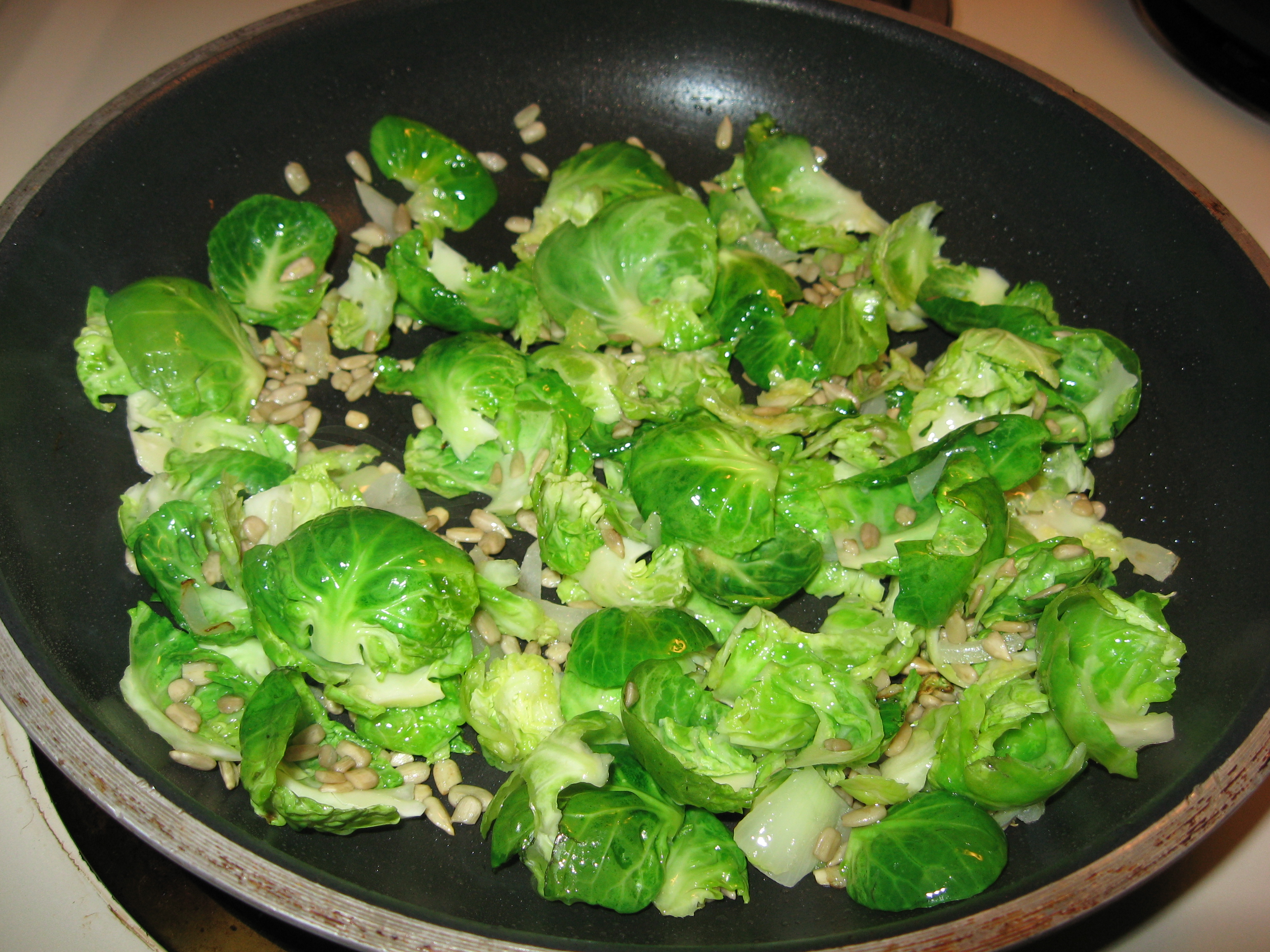
  1. Stir-Fry: Peel the outer leaves off the heads; slice thinly the nubby center; stir-fry all in a bit of olive oil for about 2 minutes with some minced fresh ginger and red pepper flakes; when the leaves are tender, stir in slivered scallions, lemon zest and a bit of butter.
  2. Sauté:  Cut into quarters and sauté with butter, caraway seeds, bits of real bacon and chopped onion (or thinly sliced onion); then add a splash of apple cider vinegar and let that cook down to glaze the sprouts.
  3. Use Raw: Slice thinly and toss with very thinly sliced radicchio, toasted pine nuts, sharp goat cheese and red-wine vinaigrette.
  4. Carmalized: Slice thinly or in quarters.  In a skillet, melt some butter and olive oil and add the sprouts to brown for about 8-10 minutes.  Then add some brown sugar and/or honey and keep on stirring till the sprouts are well covered with this mixture and done the way you would like.  Taste for adjustments.  If you wish add a bit of ginger, cinnamon or paprika and/or some chicken bouillon, a dash of orange juice, lemon juice, vinegar or even brandy to finish it off.   You can really use your imagination here however don’t use too many ingredients at once.
  5. Roast: Trim and halve sprouts lengthwise. In a bowl mix 1-3 Tblsp. olive oil, S&P, and a bit of lemon juice. Toss the sprouts with this mixture. (Don’t wash the bowl yet.) Then arrange the sprouts cut side down in a baking dish with tall sides and lined with parchment paper.  Place the sprouts evenly spaced towards the pan sides as much as possible.  Roast in a 425 oven until tender and browned, about 15 minutes.  No need to flip. They will be very brown but good.  Before serving toss in the olive oil bowl once more. (Now you can clean that bowl.)
  6. Roasted with gomasio: If you wish, pair the roasted sprouts with gomasio (sesame salt).  To make this take 2 Tblsp. sesame seeds and toast them over medium heat in a small dry skillet, stirring almost constantly until light golden-brown-3-5 minutes.  Add the salt and cook, stirring for about 30 seconds.  Transfer to a small bowl and cool completely.  Put the salted seeds in a clean spice grinder and pulse a few times to grind coarsely—or smash them with a rolling pin in a plastic bag.  You should have a few whole seeds in the mixture.  Toss about 2 tsp. sesame salt per pound of sprouts with them after roasting. If need be, save the remainder of the gomasio for other roasted veggies such as asparagus, broccoli, green beans, parsnips, sweet potatoes and turnips.
  7. Italian-Style: Cook your sprouts in which ever manner you wish and add the following well whisked vinaigrette to the sprouts when cooked: 1 Tblsp. Dijon mustard, 2 Tsp. lemon juice, 2 Tsp. balsamic vinegar, 1 minced clove of garlic; add 2 Tblsp. shaved Parmesan Cheese  over the top. You could even add to the sprouts some shavings of raw sprouts.
  8. Thanks to Alex duMauriee, here is one more recipe: 3 Tblsp. grape seed oil; 1 Tblsp. minced shallot; 12 large Brussels sprouts trimmed and leaves separated from the cores (about 8 C.); 3/4  C. shelled pistachios (salted or not); 2 Tblsp. lemon juice.  Heat oil in large nonstick skillet over med. hi; add shallot and stir 20 seconds; add Brussels sprout leaves and pistachios and sauté until leaves begin to soften but are still bright green(about 3 min.); drizzle lemon juice over; season with S&P. YUM. Thank you Alex.

For easy access and printing of this and past recipes, visit Margot’s blog http://blog.tempinnkeeper.com  Call Margot for personal cooking help @ 721-3551.

Margot is a self-taught enthusiastic & passionate cook. Having been an inn-keeper for 5 years at her own inn, she accumulated a lot of good recipes which she loves to share.

Brussel Sprouts and Artichoke with Green Olive Dip

Standard


Brussel Sprouts and Artichoke with Green Olive Dip

OK— this is not something for everyone, however, I like it so much that I wanted to share before the holidays.  This is a nice hors d’oeuvres that’s healthy and tasty.  The reason it’s not for everyone is because it consists of Brussel sprouts and olives.  Those two are not on everyone’s  favorite list.  But, they happen to be within my best loved list. Hope you might see my point.

Ingredients:

1 large artichoke—Cook it your way or mine

As many Brussel Sprouts as you believe you may need

Olive Oil—3 Tblsp. for the roasting of perhaps one pound of Brussel Sprouts

Lemmon Juice—to taste

S&P

For the Dip:

1/2 C. chopped parsley

5 Tblsp. olive oil

2 Tblsp. sliced green olives with pimentos (you can buy a jar of them)

1 Tblsp. drained capers

1 Tblsp. lemon juice

1/2 Tsp. Dijon mustard or Dijon Poupon with horseraddish

1/8 Tsp. salt

Directions:

To Roast Brussel Sprouts:

Pre-heat your oven to 400-425 degrees.

Wash and split the sprouts in 1/2 length wise

Mix 3 Tblsp. olive oil with some S&P and a squirt of lemon juice in a bowl large enough to generously coat the sprouts.

Line a high sided baking pan with parchment paper and place the sprouts cut side down in the pan, as many near the outer edge as possible without crowding.  Place in oven for 15 minutes.  No need to turn them over.  Test them for doneness and be aware that they will be very brown with some burnt edges after 12 minutes or so.   Don’t worry about the burnt edges—that’s part of the roasting veggies scenario and actually adds extra to the flavor.

The Artichoke:

With the artichoke, I cut the individual leaf ends off so that the thorns are removed; cut both ends (the stem close to the choke and also the very top off about 1/2 inch) and wash. I then place the artichoke, bottom up, in a steamer placed in a tall pot or just in the pot itself, with water that goes about half way up the artichoke.  In the water I add a dash of olive oil, a bay leaf, a garlic clove and a squirt of my favorite vinegar or lemon juice.  You can also add fresh tarragon or thyme.

In CA I lived nearby where these edible thistles grew in beautiful fields.  In  fact I had several plants in my very own yard so I garnered very fresh chokes that barely needed to be cooked at all.  However, here, transported, it usually takes a bit longer. I start watching the doneness at 20 minutes because overcooking an artichoke can create a mushy one and under cooking can create a very hard biting one. As well, I’ve found that the smell can tell you when they are done.  Cover the pot when cooking and steam it at least 15 to 20 minutes if truly fresh.  They are usually done when a leaf can be removed easily but make sure to taste.  A well traveled choke can take as long as 45 minutes to cook, however, if longer than that you usually have procured a very old choke.

Frankly, I like to eat my artichoke plain without any butter, olive oil or mayonnaise.  But if you so insist, a very simple combination of olive oil or melted butter with a dash of minced garlic, lemon juice and S&P will be perfect.  One more combination that I make and everyone loves is half or more cup of mayonnaise with a dash of curry powder in it.  Well, use your imagination.  That’s what cooking and eating is all about, isn’t it?

For easy access and printing of this and past recipes, visit Margot’s blog http://blog.tempinnkeeper.com  Call Margot for personal cooking help @ 721-3551.

Margot is a self-taught enthusiastic & passionate cook. Having been an inn-keeper for 5 years at her own inn, she accumulated a lot of good recipes which she loves to share.

Kale Soup with Potato

Standard

Bandit and IBBA display 003

Kale Soup with Potato

Makes 4 servings

I love Kale and my bird, Bandit loves Kale.  Hugo, my toy poodle, does not. Oh well, Hugo and I don’t always like the same foods. Funny though, I don’t remember seeing as much kale as that being displayed recently in our markets. Well, I’m glad it’s so readily available because there’s so much you can do with it and Bandit tells me that it’s extremely healthy for you.  Thanks Bandit. Additionally, I’ll tell you that I like kale raw for a salad as well as cooked in various ways as in this recipe.  Even if you don’t like Kale that much, I think that you’ll enjoy it this way.  So, here goes and as usual: ENJOY and Bon Appétit!!!

Ingredients:

  1. 1 large baking potato, cut into eighths
  2. 1 clove garlic, lightly smashed
  3. 5 cups vegetable stock (but you can also use chicken or beef stock)
  4. About 3 cups roughly chopped kale leaves (well rinsed and stripped from the stalks before chopping)
  5. 1 Tsp. FRESH marjoram (the fresh makes such a difference but dried will do and you can use oregano instead if you wish)
  6. 1 bay leaf
  7. S&P to taste

Instructions:

  1. Combine the potato, garlic and 2 C. of the stock in a medium saucepan and turn the heat to medium-high.  Cook until the potato is soft, about 15 minutes; cool slightly.
  2. While doing the above, cook the kale in the remaining stock (3 C) with the marjoram (oregano) and bay leaf until tender, about 10 minutes. Remove the bay leaf.
  3. Now, I use a potato masher to mash the potato mixture before putting it a blender to puree it. Puree it. The mixture will be thick. Stir it into the simmering kale, season with S&P, and heat through.
  4. Serve immediately

Additional versions:

  1. Beat 2 eggs with 1/2 Cup of shredded Parmesan Cheese.  Add this mixture at the last minute into your soup.  There will be bits of egg and parmesan in it and it’ll be delicious.  If you just do the eggs, that’s a bit Greek or Chinese. The Parmesan gives it an Italian twist.
  2. For a Japanese version, add a bit of soy sauce, sesame oil and a dash of lime.  You can even add a bit of green chili sauce.
  3. You can also add some sliced chicken sausage in the soup to make it a bit of the Portuguese version.


See how versatile just a bit of potato and kale can be?


For easy access and printing of this and past recipes, visit Margot’s blog http://blog.tempinnkeeper.com  Call Margot for personal cooking help @ 721-3551.

Margot is a self-taught enthusiastic & passionate cook. Having been an inn-keeper for 5 years at her own inn, she accumulated a lot of good recipes which she loves to share.


Chicken Marengo

Standard

Chicken Marengo

My mother used to make Chicken Marengo and we always both loved it.  So, when I ran across this recipe, it gave me good memories of sharing this dish with my mother. This dish is of historical value:  Napoleon and his traveling chef, Dunand, were the men who made this dish famous. After the battle at Marengo (Piedmont, Italy), Napoleon demanded from his chef a quick meal—imagine this after a treacherous journey over the Alps in mid-May. Cooking legend has it that even in these hinterlands, Napoleon’s forever challenged chef found a chicken, tomatoes, onions, garlic, herbs, olive oil and crayfish.  He cut the chicken up with his “saber” and made a dish very much like this recipe. Reportedly being thoroughly French, Dunand also added a dash of cognac from Napoleon’s flask.  Napoleon liked the dish immensely and since he won the battle, considered Chicken Marengo lucky.  So he asked for it often just as Dunand had originally made it.  My recipe here doesn’t have crayfish or cognac in it, however, I think that it might taste very good with a similarity of both of those ingredients: shrimp and brandy maybe?  Other variations could include white wine and black olives.   Crusty bread served with it is delicious or rice will do. It’s also very good served with a lightly cubed peeled baked potato and thinly sliced onion that has been sauteed in a pan with some olive oil and sprinkled with some S&P, fresh thyme and paprika.  And don’t forget a fragrant white wine to drink.

Ingredients:

  • 2 ½ Tblsp. Olive oil or other good oil
  • 8 chicken drumsticks
  • S&P
  • 1 oz. bacon cut into small strips ( I freeze bacon to make sure I have a bit when I need it)
  • 1 ½ Tblsp. flour
  • 1 medium onion, thinly sliced
  • 1 garlic clove, thinly sliced ( You can also use some minced garlic from the jar)
  • 1 large tomato coarsely chopped (or you can use drained canned tomatoes amount to equal approximately 1 large tomato)
  • 1 Tsp. tomato paste (from the tube or I freeze mine in 1 tsp. amts. and use that)
  • 1/4 C. chicken or beef broth (I use chicken)
  • 1 C. 2-percent milk (you can use whole milk or half and half diluted if you wish)
  • Several parsley sprigs plus 2 Tsp. chopped parsley(I’ve used dried parsley as well)

Directions:

  • Preheat oven to 375
  • In an ovenproof skillet, heat 1 Tblsp. oil over medium high heat.  Add chicken, season with S&P, and lightly brown on all sides—about 8 minutes.  Transfer chicken to a platter.
  • Add bacon to the skillet and cook, stirring until the fat is rendered—about 2 minutes. If there is a lot of fat, drain most of it and add the remaining 1 ½ Tblsp. of oil to the skillet.  Stir in the flour until smooth.  Add the onion and garlic and cook over moderate heat, stirring until slightly softened—about 3 minutes.
  • Add the tomato and tomato paste. Cook, stirring, until the tomato softens slightly-about 5 minutes. Add the milk and broth and bring to a boil, stirring until slightly thickened-about 3 minutes.
  • Return the chicken to the skillet and add the parsley sprigs.
  • Cover the chicken and braise in the oven for about 20 minutes—until the meat is cooked through.
  •  Transfer chicken with tongs to a pretty platter and return the skillet to the stove top. Over moderate heat cook the gravy whisking constantly until smooth, about 2 minutes and add the chopped parsley to it.
  • Pour the sauce over the chicken legs and serve with crusty French bread.
  • For easy access and printing of this and past recipes, visit Margot’s blog http://blog.tempinnkeeper.com  Call Margot for personal cooking help @ 721-3551.
  • Margot is a self-taught enthusiastic & passionate cook. Having been an inn-keeper for 5 years at her own inn, she accumulated a lot of good recipes which she loves to share.

Margot’s Favorite 5 Salad Dressings

Standard

saladsMargot’s Favorite Salad Dressings

There are all kinds of greens to make into a salad, however, no matter what, I’ve found that if the dressing isn’t good, neither is the salad in spite of your preciously chosen greens. So here for your salad enjoyment is 5 dressings that are easy to make and I think are very delicious. Each makes about 1 cup’s worth. Better to put too little than too much on your salad and sometimes, I think its best just to serve the dressing(s) on the side and let your guest do the job.  These dressings can store in the refrigerator for up to 3 weeks.  If they gel, I warm them up in their jar in a cup of hot water and then shake well.

  1. Classic French Dijon

1/2 C. white wine vinegar

1/2 tsp. each kosher salt and ground black pepper

1 Tbsp. Dijon Mustard

2 Tsp. chopped thyme leaves or tarragon

1/2 C. Olive Oil

  1. Raspberry Balsamic

1/2 C. balsamic vinegar

2 Tbsp. water

4 Tsp. raspberry preserves

1/2 Tsp. each kosher salt and ground black pepper

1 Tbsp. finely chopped shallot

2/3 C. olive oil

  1.  Cilantro Lime

1/4 C. fresh lime juice

2 Tbsp. apple cider vinegar

1/4 Tsp. cayenne pepper

1/2 Tsp. ground cumin

1/4 Tsp. kosher salt

1 Tblsp. honey

2 Tbsp. chopped cilantro

2/3 C. canola oil or olive oil

  1. Lemon Parmesan

1/4 C. fresh lemon juice

2 Tbsp. white wine vinegar

1/4 Tsp. each kosher salt and ground black pepper

3 Tbsp. finely grated Parmesan

1/2 C. olive oil

  1. Asian Sesame Ginger

1/2 C. rice wine vinegar

1/2 Tbsp. soy sauce (I use the low sodium)

2 Tblsp. honey

1/2 Tsp. fresh grated ginger

2 Tsp. toasted sesame seeds

1/2 Tsp. sesame oil

2/3 C. canola oil or olive oil

A Quick and Easy Guide to Roasting Veggies

Standard

Roasted Brusels Sprouts 001 roasted brocolli roasted brocolli (4) roast zucchini with toasted sesame seeds 001

A Quick and Easy Guide to the Roasting of Vegetables

  • When flavoring roasted vegetables (particularly after roasting) you want to avoid a heavy dose of liquids because they’ll soften any crisp edges that develop during roasting.
  • Roast in a very hot oven—Anywhere from 425 to 475 degrees is usually perfect. It really depends on your oven and your taste. I don’t mind veggies that are blackened somewhat; maybe for you that’s too much. So, I guess I’d try 450 degrees to start with.
  • Cut your vegetables in even-sized pieces so that they’ll roast evenly. Except for potatoes, you can cut up the veggies the morning of your planning to roast them.
  • To prevent sticking, line a heavy duty high edged pan with parchment paper.
  • Place your vegetables evenly over the whole pan—and in fact near the edges of the pan particularly if your pan is sparsely populated.  Vegetables near the edges tend to brown better.

The Master Recipe Is:

Ingredients:

1 lb. vegetables—well washed and peeled if necessary-cut per directions below

1- 3 Tblsp. olive oil

1/2 Tsp. or more to taste of kosher salt

Freshly ground pepper, to taste

Fresh lemon juice—a couple of squirts (optional and depends on whether you’ll be using one of next

weeks yummy splashes recipes)

       Directions:

  1. Place rack in center of oven and heat to 425-475 degrees.
  2. 2.        Line baking sheet with parchment paper. Wash, air dry and prepare vegetables according to the “quick guide introductory paragraph” at start of this column and the “vegetables to use” guide found below.
  3. 3.        In a bowl toss your vegetables with the “master recipe” ingredients. Do not clean bowl because you’ll be using it again after the veggies are done. 
  4. Place your vegetables evenly spaced on your lined pan-lying–on the cut side if that’s applicable.
  5. Roast according to individual vegetables mentioned below in “vegetables to use guide”.  Watch carefully to see that your veggies don’t brown more than you wish them to—but remember, they shouldn’t be under roasted.
  6. 6.        When the vegetables are done, return them to your original bowl and use the rest of the marinade left or if need be, add more olive oil if they seem a bit dry and season with more S&P and lemon juice if you deem necessary

( OR use another flavoring which will be mentioned in my subsequent column next week).

Vegetables to use guide:

  1. Sweet potatoes: 3-4 servings per lb. Cut into 1-inch pieces. Roast 10 minutes and flip and roast 5 to 10 minutes more.
  2. Cauliflower: 3-4 servings per lb. Cut into 1 to 1 ½ inch florets. Stir every 10 minutes until tender and light brown—20 to 25 minutes total.
  3. Asparagus: 3 -4 lbs. per serving: cut off tough bottom ends. Roast for 5 minutes, flip and roast till tender—5 to 8 minutes
  4. Brussels Sprouts—3-4 servings per lb: half lengthwise; arrange cut side down and roast until tender and brown—about 15 minutes. No need to flip.
  5. Potatoes (red, yellow, russet) 2 -3 servings per lb. Peel or scrub clean and dry. Cut into 1 inch wedges.  Roast until brown on bottom-10 to 15 minutes. Flip and continue to roast until tender—5 minutes more.
  6. Carrots: 3-4 servings per lb. Peel, if thick cut in half crosswise to separate thick end from thin end; half the thick end length wise. Cut crosswise into 1-inch lengths.  Roast until lightly browned on bottom, 12-15 minutes. Flip and roast until tender—3 to 5 minutes more.  Shriveled can be OK.
  7. Beets: 4 servings per lb. Trim, peel and cut into 3/4-1 inch wedges. Roast 15 minutes, flip and roast until tender-10-15 minutes more.
  8. Parsnips– 2-3 servings per lb. Peel, halve crosswise, halve or quarter thick end lengthwise and cut all crosswise into 2-inch lengths.  Roast until browned on bottom about 10 min. Flip and roast till tender-about 5 minutes more.
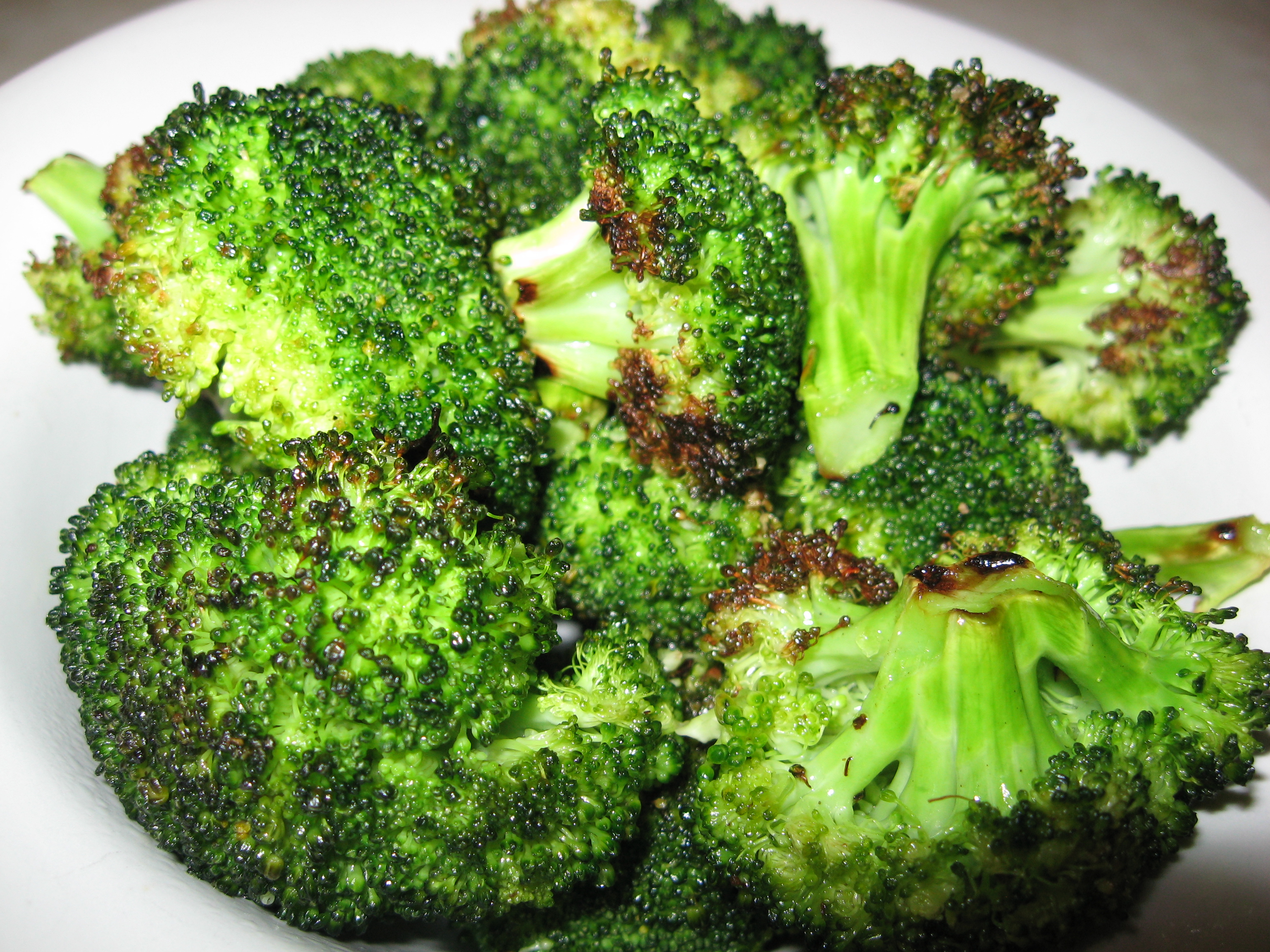
  9. Broccoli Crowns-2-3 servings per lb. Trim, peel the stem; slice it into 1/4 inch thick disks.  Split the florets through the stem so that each piece is 1-1/2 to 2 inches wide.  Roast until the floret tops begin to brown, 8 – 10 minutes. Stir and continue to roast until tender—3 to 6 minutes
  10. Green beans: 4 servings per lb. Trim stem ends. Roast until tender, a bit shriveled, and slightly browned, about 15 minutes. No need to flip.
  11. Butternut squash: 4 serving per pound. Peel and cut into 3/4 to 1 inch pieces.  Roast until browned on bottom-15 minutes. Flip and roast until tender-5 to 10 minutes
  12. Mushrooms: (cremini or small white) 3-4 servings per lb.  Brush clean and trim stems flush with cap. Roast stem side down until brown on bottom 20-25 minutes. Flip and roast until browned on top- 5 to 10 minutes more.
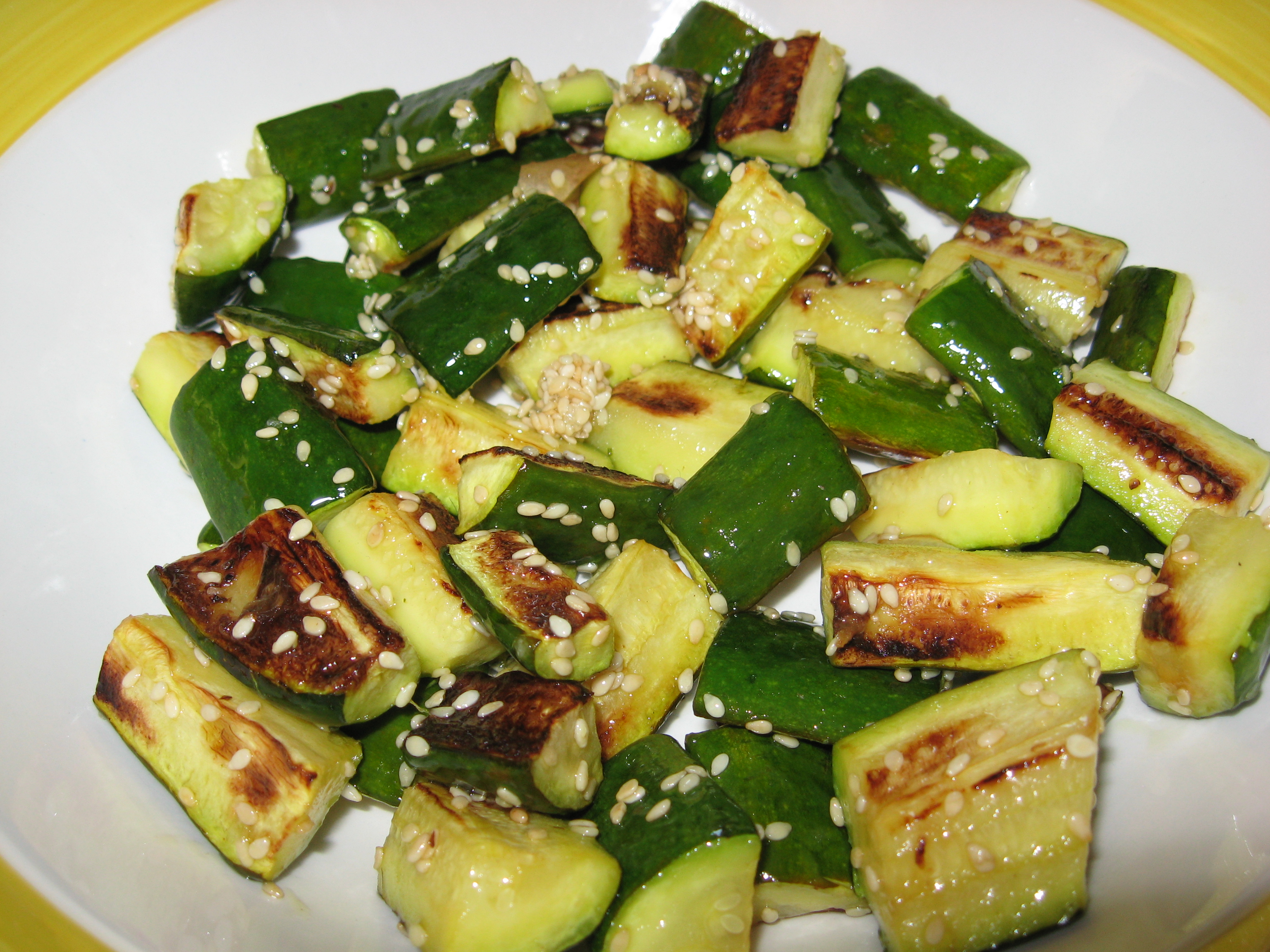
  13. Zucchinis Wash well, cut off ends. Cut lengthwise to create 4 halves and then crosswise in even 1/2 to 3/4 inch chunks. Roast open side down till brown, about 9 minutes. No need to flip.
  14. Roasting a medley: If you insist, because they do cook at different rates, this will be more time consuming and intensive caretaking, so try to roast veggies that have approximately the same cooking times; or cook them all individually and then put them together.
  15. Veggies I have left out because of print space limitations: Fennel (15 min. flip 10 min. more); Turnips (10-15 min., flip, 5 more min.); Rutabaga15 min. flip and 10-15 min. more.

NEXT WEEK—Six Yummy Splashes To Use With Your Roasted Veggies.


For easy access and printing of this and past recipes, visit Margot’s blog http://blog.tempinnkeeper.com  Call Margot for personal cooking help @ 721-3551.

Margot is a self-taught enthusiastic & passionate cook. Having been an inn-keeper for 5 years at her own inn, she accumulated a lot of good recipes which she loves to share.

994 words


Six yummy splashes to use with your roasted veggies (main recipe found in last week’s Sun edition or on Margot’s Blog)


Master Recipe once again is:

         Ingredients:

1 lb. vegetables—well washed and peeled if necessary-cut per directions below

1- 3 Tblsp. olive oil

1/2 Tsp. or more to taste of kosher salt

Freshly ground pepper, to taste

Fresh lemon juice—a couple of squirts (optional and depends on whether you’ll be using one of next

weeks yummy splashes recipes)

The Six Splashes are:


  1. 1.        Rosemary-Lemon Oil

           Ingredients

Zest of 1 large lemon, removed in long strips with a veggie peeler

2 to 3 Tbs. olive oil or more as needed

1 Tsp. chopped fresh rosemary

1 Tsp. chopped fresh thyme.

Directions:

Combine in a small saucepan lemon zest and oil. Cook over medium-low until zest bubbles steadily for about 30 seconds. Remove from heat, let cool about 3 minutes and stir in the herbs.  Let sit for at least 20 minutes. Toss with the vegetables and S&P before roasting. With this splash you don’t need to use the master recipe. Discard lemon zest when veggies are put on baking sheet.  If necessary, add additional oil after veggies have roasted.

Pair with beets, butternut squash, carrots, cauliflower, fennel, mushrooms,zucchini, parsnips, potatoes and sweet potatoes.    


  1. 2.        Moroccan-Spice Rub

    Ingredients

2 Tsp. ground cumin

1 Tsp. ground coriander

1/2 Tsp. chili powder

1/2  tsp. sweet paprika

1/2 Tsp. ground cinnamon

1/4 Tsp. ground allspice

1/4 Tsp. ground ginger

1/4 Tsp. cayenne

Pinch ground cloves

2 to 3 Tblsp. olive oil

Directions:

Mix all of the spices in a small bowl.  Add S&P to taste.  Before adding the

olive oil from the master recipe to the veggies, toss 1 Tsp. of these spices with your veggies.

After veggies are done, douse them with this rub and if you wish, more olive oil as well.  .

Pair with butternut squash, carrots, cauliflower, parsnips, potatoes, sweet potatoes.

                     potatoes and turnips.   

  1. 3.        Sesame Salt (gomasio)

    Ingredients

2 Tblsp. sesame seeds

1/2 Tsp. sea salt

1-3 Tblsp. olive oil

Directions:

In a small dry skillet, toast the sesame seeds over medium heat, stirring continually until light

golden-brown, 3-5 minutes. Add the salt, cook stirring, for about 30 seconds.  Transfer to a

bowl and let cool thoroughly. Pulse the seeds in a clean spice grinder till coarsely ground

you should still see some whole seeds in the mixture. Roast your veggies using the master recipe.

Toss about 2 tsp. sesame salt with your batch of veggies after roasting . If you feel the veggies

are too dry, add some more olive oil. I have also not ground the seeds and just used them

roasted which seems to be very tasty as well. I really use this easy splash a lot.

                    Pairs with: asparagus, broccoli, Brussels sprouts, green beans, zucchini, parsnips, sweet

                    potatoes and turnips.


  1. 4.        Caramelized Shallot Butter

           Ingredients

3 1/2 sweet butter, softened

1 large shallot, finely diced (1/3 cup)

1/2 Tsp. chopped fresh thyme

1/2 Tsp. finely grated lemon zest

S&P

Directions

Heat butter in small saucepan over medium-low heat until melted. Add shallot and cook,

stirring frequently, until deeply browned, 8 to 10 minutes. Remove from heat and stir in

thyme.  Cool completely.

In a small bowl, combine the shallot mixture with the remaining 2 1/2 Tbsp. butter and

The lemon zest.  Stir to blend well. Season to taste with S&P.

Scrape the butter onto a small piece of saran wrap, mold into a log shape and wrap in the

plastic.  Refrigerate until ready to use. Roast your veggies using the master recipe. When done,

toss about 1/3 of the butter (generous tablespoons)  with  the veggies.

         Pairs with: asparagus, Brussels sprouts, butternut squash, carrots, fennel, green beans,

         mushroom, parsnips, potatoes, and sweet potatoes.


  1. 5.        Ginger-Lemon-Soy Splash

                             Ingredients

1-inch piece fresh ginger

1 Tsp. fresh lemon juice

1/2 Tsp. soy Sauce

Directions:

                             Set a small strainer in a bowl. Peel and finely grate the ginger. Put the grated ginger in

the strainer and extract the juice by pressing it in the sieve with a small spoon.  Transfer

1/2 Tsp.  ginger juice to another small bowl. (Discard the rest or save for another use.)

Stir in the lemon   juice and soy sauce. Roast the veggies using the master recipe. After roasting them,

toss them with this splash.

 Pairs with: beets, broccoli, carrots, cauliflower, and mushrooms


  1. 6.        Toasted Garlic and Coriander Oil 

    Ingredients

           1 1/2 Tblsp. Olive Oil

1 Tblsp. finely chopped garlic (2 cloves)

2 Tsp. ground coriander

1 Tsp. fresh lemon juice

S&P

          Directions

In a small saucepan, combine the oil and garlic.  Set over medium-low hear and cook until

the smaller pieces of garlic turn light golden-brown, about 3 minutes.  Stir in the coriander

and cook for about 20 seconds.  Immediately remove from the heat and transfer to a small

heatproof bowl to prevent overcooking.  Keep warm. Arrange your veggies that have been

roasted using the master recipe on a serving platter and spoon the toasted garlic oil over

them.

         Pairs well with: asparagus, zucchini,  beets, broccoli, cauliflower, fennel, green beans,

         Mushrooms and turnips.


For easy access and printing of this and past recipes, visit Margot’s blog http://blog.tempinnkeeper.com  Call Margot for personal cooking help @ 721-3551.

Margot is a self-taught enthusiastic & passionate cook. Having been an inn-keeper for 5 years at her own inn, she accumulated a lot of good recipes which she loves to share.

902 words